La Serenissima – 20 November 2026
In the Gallerie dell’Accademia, Venice, hangs a painting by Giorgione known as La Tempesta. The painting is relatively small and could be missed among its grand companions. Thanks to the artist Celia Paul, I dream of going to see it.
In the foreground on the right a woman nurses a baby. She looks out from the landscape at her audience. On the left a man watches her. Or perhaps his gaze doesn’t quite rest on her – it’s hard to tell. Nevertheless, there is a charge between them, as there is in the intense sky above, swirling with rich clouds. The light is not unlike that we’ve had in a stormy Bristol this week, those clear, eerie beams emerging between darkening skies.
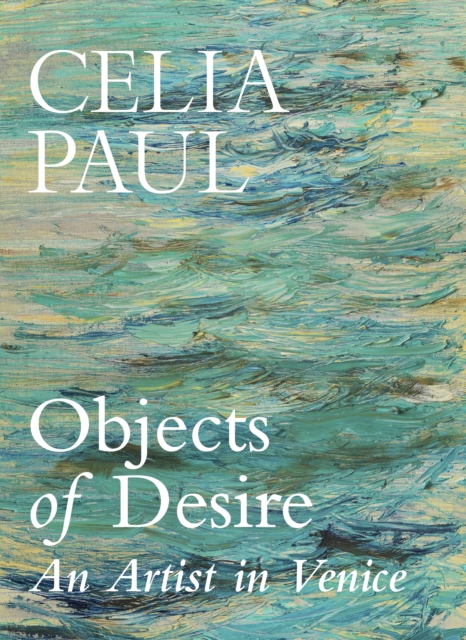
There are many interpretations of the painting drawing on classical mythology and Biblical figures; art historians have suggested allegories or that Giorgione simply invented the scene. At the start of a residency in Venice, Celia Paul paints her own interpretation, focussing on the woman and the child and creating a vivid, dangerous light. She titles it That Obscure Object of Desire, in reference to Buñuel’s final, surrealist film. La Tempesta and her responses to it are to play a central role in her time in Venice, the subject of Objects of Desire.
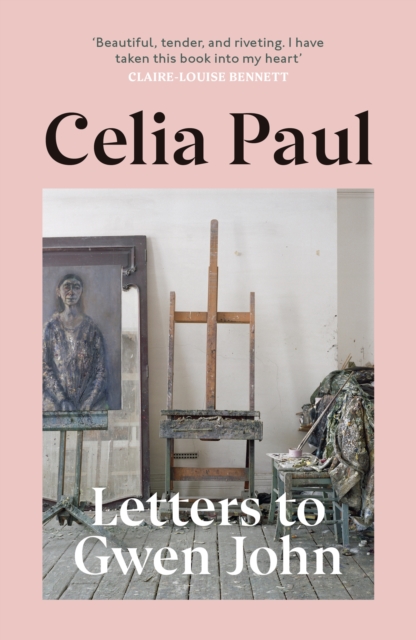
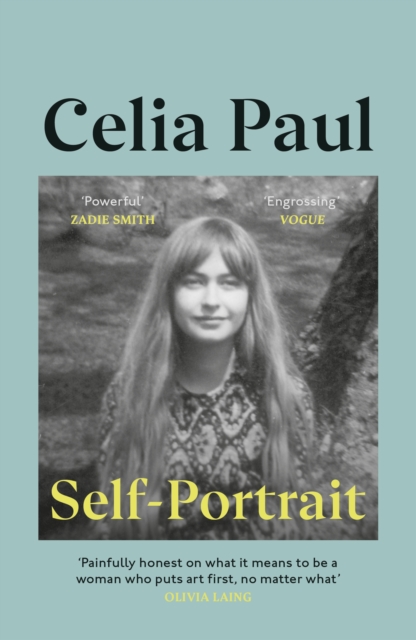
Paul has written previously about being the object of desire, about being jealous of the objects of others’ desire and about self-portraiture and becoming one’s own object, as well as parallels in her life and work with Gwen John’s. While Objects of Desire could refer to the woman in Giorgione’s painting and women in art generally, the title allows for broader possibilities. This is a personal book and the objects of desire encompass the husband for whom she is grieving, the younger man with whom she is infatuated, her first love (Lucian Freud) who has shaped all that came after, her mother, her younger self, her ageing self. The objects of desire could be paint, turpentine, canvas and painting itself; a need to confront problems of depicting changing light and the thick Venetian waters; freedom too, the freedom of isolation and a freedom which in turn allows for control. These are objects to which she devotes herself.
Paul’s writing is sparing, with big realisations expressed in as few words as possible and given space on the page for responses to grow around them. In contrast she paints with extraordinary industry. Seeing her trepidation about being away from home and routine, I wondered if she would even be able to find her studio. Yet every day she rises with new schemes and understanding of previous missteps and follows her carefully written directions through the labyrinthine city to begin again. In time she dares to feel pride: of a depiction of herself on a bed the colour of those Venetian waters, she writes, ‘I wanted to convey the message that to make an impact in a self-portrait you don’t need to stand naked wielding a palette knife, as if to challenge the viewer to a fight, but instead you can create just as powerful an impression through sitting on a bed with your hands quietly folded in your lap.’
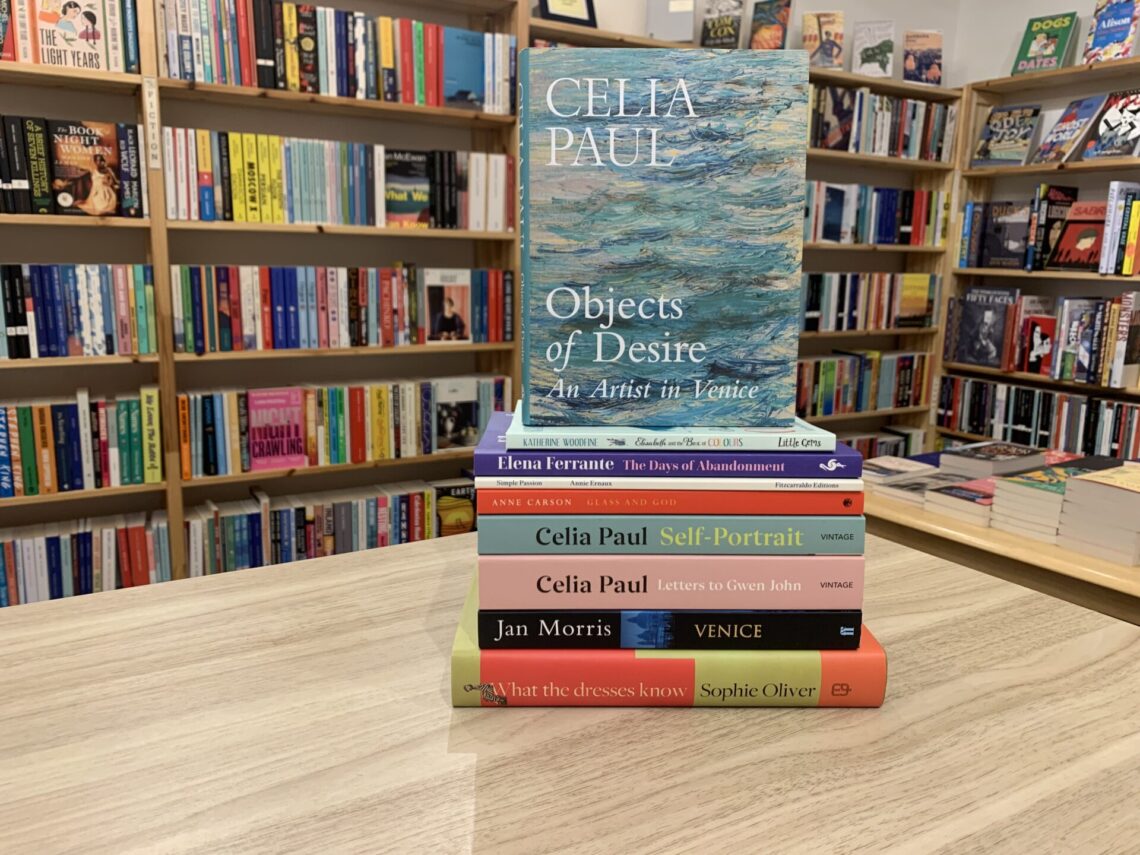
The book is itself an object of desire, a pleasure to hold and examine – even reproduced in a small book the paintings are lively and textured; knowing that other attempts lie beneath a glorious scene and understanding what she was reading or looking at before creating something new add to the experience. One can read it quickly and, like Giorgione’s small painting, it might be easy to glance at before moving on to bigger things. But it is a book that rewards close attention and time. There is so much to consider in each careful sentence, ideas to unlock, as well as doors opened into the art and writing of others.
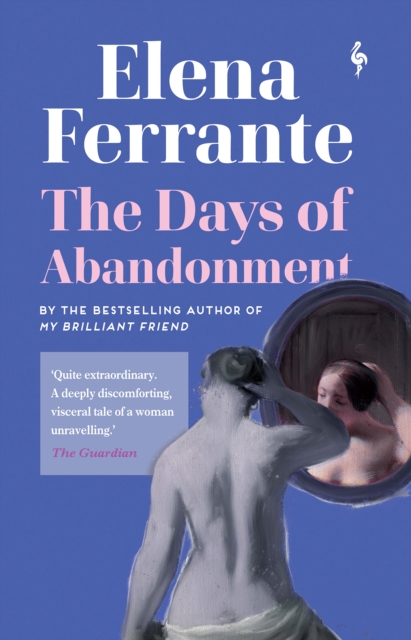
She writes of loneliness and Elizabeth Bishop, of dignity and Isaac Bashevis Singer, of floppy hats and Virginia Woolf, of craving unrequitedness and Proust. Her battles with the locks on her studio and apartment remind her of similar struggles for the narrator of Elena Ferrante’s The Days of Abandonment. I read this intense novel with Celia Paul’s anxieties and confidences in mind and loved it. The narrator has been left by her husband and begins to leave herself. Like Paul’s painting, it is confronting and mesmeric.
Aspects of Paul’s style made me think of Annie Ernaux, able as both are to move from the smallest detail to wider insights, concerned as they are with shame whilst proclaiming to be unashamed. So, when she mentions that she spent an afternoon reading Ernaux’s Simple Passion, I thought I should follow suit. It is a one sitting read. A one (large) glass of wine read. A tear your heart out, stamp on it and examine the remains between your toes read. If you’re an Ernaux, Ferrante or Natalia Ginzburg fan, you will love it. The account of an illicit affair is scorching. The effect is chilling.
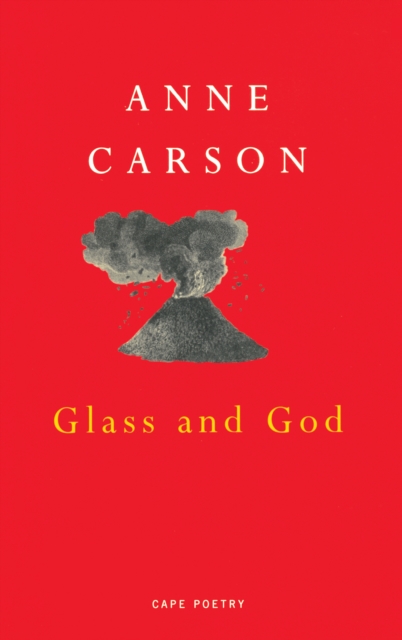
The best prompt from reading Celia Paul was finally to read Anne Carson’s poem The Glass Essay. Oh, how glorious! Carson, reeling from her lover, Law – yes, he’s called Law – leaving her goes to visit her mother on the moors armed with an oft-read copy of the complete works of Emily Brontë. The resulting fifty-page poem has everything – self-portraits, self-possession, jealousy, fire, wuthering and grape jam – and is all the richer for holding the portrait of another woman who has withstood so much in one’s head whilst reading.
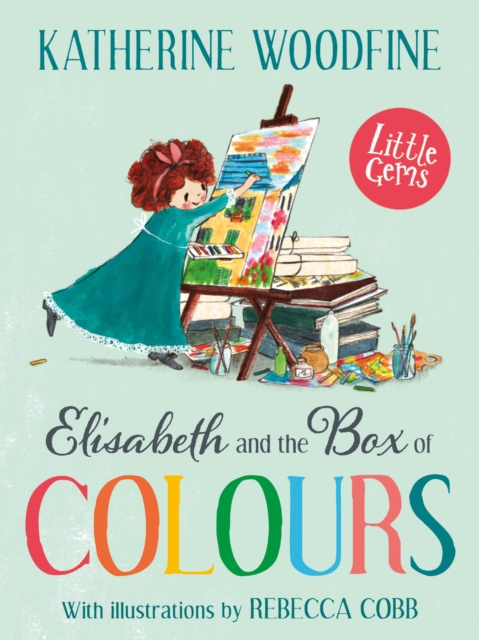
Objects of Desire is about love and wanting, their imprisoning and liberating possibilities. It is a book about gaining confidence – I like when Paul wakes at half past four eager to ‘toughen up’ the painting begun the day before. It is a book deeply engaged with art, without pretention. As is a lovely little story of another unashamed painter, Elisabeth and the Box of Colours by Katherine Woodfine. This is a story for young and reluctant readers and budding artists told in short chapters, with vivid illustrations by Rebecca Cobb. It is inspired by the childhood of Élisabeth Vigée Le Brun who loved painting from an early age and sought to bring colour to the world, even to that of a grey school run by grey nuns.
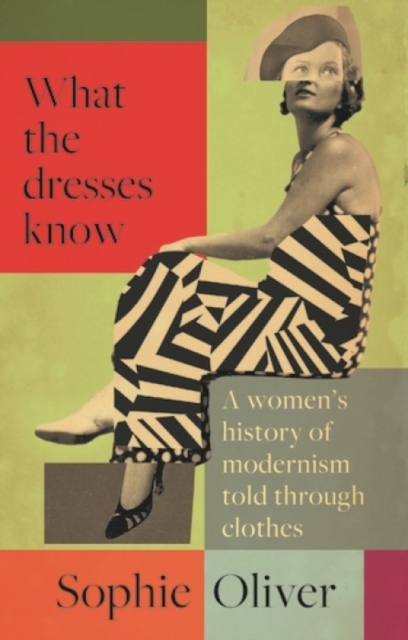
I wanted to write of other objects of desire, inspired by Sophie Oliver’s history of modernism told through clothes, What the Dresses Know, from a dress belonging to Vanessa Bell to the patchwork clothing incorporating poetry made by Sophia Delaunay to Rebecca West’s blouse and the working-class women behind it. But perhaps the stories of Jean Rhys’ gown and Zora Neale Hurston’s bonnet will have to wait for another week… One does get carried away.
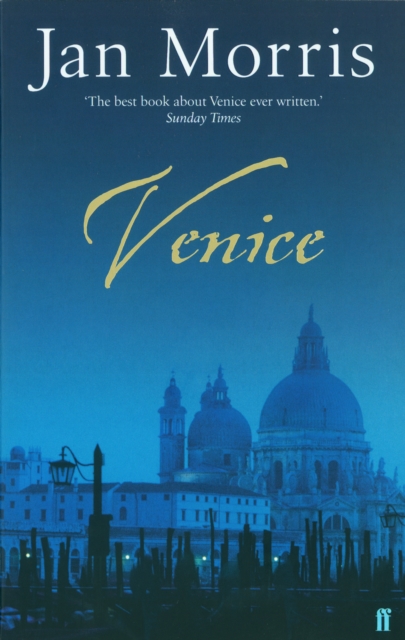
Since I started with the desire for Venice, it is incumbent on me to end with Jan Morris. Her magisterial portrait of the city ends by pointing out so many reasons not to fall in love with this highly-scented, disordered city, and yet, ‘when I lean from my window in the early morning, where the air is sea-fresh and the day unsullied, when there is a soft plash of oars beneath my terrace, and the distant hum of a ship’s turbines, when the first sun gleams on the golden angel of the Campanile, and the shadows slowly stir along the dark line of the palaces – then a queer delicious yearning still overcomes me, as though some creature of unattainable desirability is passing by outside.’
I hope you glimpse the first sun gleams of the weekend amidst the tempests,
Lizzie
Featured in the newsletter
-

Simple Passion
£7.99 -

Objects of Desire
£20.00 -

What the dresses know
£20.00 -

Elisabeth and the Box of Colours
£6.99 -

Glass And God
£15.00 -

Letters to Gwen John
£14.99 -

The Days of Abandonment
£9.99 -
The Years
£9.99 -
Self-Portrait
£12.99 -

Venice
£10.99