The Gloves Are On – 6 November 2026
When the weather turns and the wind’s in the east, I always recall a conversation with my grandmother, I in my third-floor university room, looking out above bare trees, she in her stiflingly hot sitting room with a bone china teacup on the table next to the telephone, saying, ‘it is bitterly cold.’ I hear it still, winter in her words but warmth in her tone. After that, she sent me her woollen mittens, darned many times and large enough to fit over another pair of gloves, and now when venturing outside requires a bit of spirit, I say to myself, ‘it is bitterly cold’ before wrapping up in knitted items and cheering thoughts.
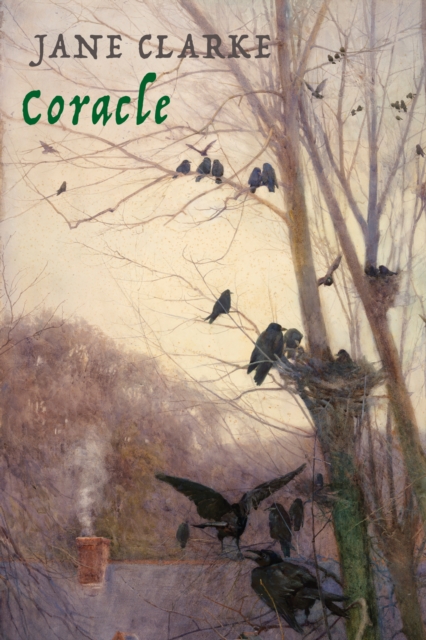
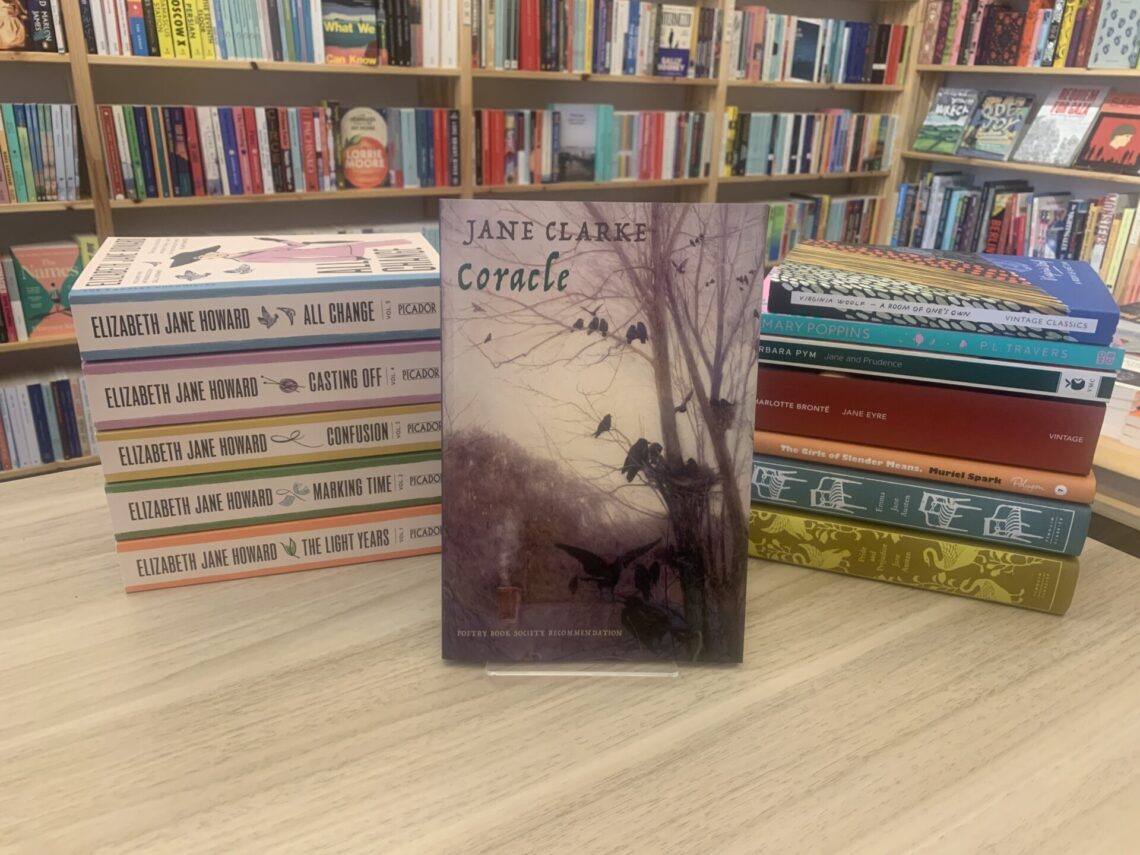
In Jane Clarke’s latest poetry collection, Coracle, she writes in ‘Mittens’ of her mother warming her hands in hers. Her mother’s memory is confused and time and place with it: the adult daughter whose hands she holds is a young girl who has lost the mittens given by her grandfather to match her red winter coat. But her mother can still offer so much, the colourful pictures of a life which rise before her as if happening now, at the same time as she, ‘gives me back / my hands warm and ready for the cold.’
Coracle is a stunning book, the poems reaching out from what seem small, fleeting images to become grand in scope and import. Jane Clarke inhabits the lives of historical women who fought for other women, for future generations, for nature and for the right to be artists. She writes of her parents with care and readiness for what will come. She writes of a hedgehog unfurling in moss, a hydrangea tumbling over a gate, a kingfisher glimpsed by mother and daughter with a gasp, a heron alert in the reed beds and a robin hurling his song like a pebble. Coracle is moving, not sentimental, comforting and clear-eyed.
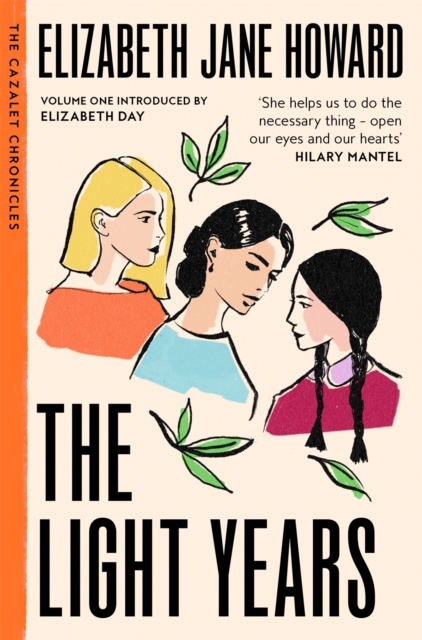
Jane Clarke’s tender poems have been keeping me company for a few weeks now along with the ever-increasing cast of characters in Elizabeth Jane Howard’s Cazalet Chronicles. The Light Years opens in London in 1937 on a busy day in the home of Edward Cazalet. Edward is married to Villy (Viola) and they have three children, Louise, Teddy and Lydia. Within just a few pages, they come alive. You understand the household, their separation from one another, their secret concerns, the stories held by furniture, clothes and books. Elizabeth Jane Howard draws the lives of children exceptionally, even the absent ones for Teddy is away at school, and then there is Villy for whom one immediately feels… is it sympathy? Compassion? Frustration, tinged with anger?
Edward is the second child of the Brig and the Duchy, to whose country home the Cazalets flock. In time, you will meet the other three, the stalwart Rachel (my hero), Hugh and Rupert, their wives and children (actually Rupert’s daughter Clary is my hero), Sid, the violinist who is in love with Rachel, more servants (I take it back, Tonbridge the chauffeur is a hero – but then you haven’t met Mrs Cripps yet) and more who are treated as, almost, family.
How are there no false moves? How does the author know when to soar from one character to another without jarring the reader, though time still moves forward for the character left? How can she write everyone from young children in all their glorious curiosity and (il)logic to men and women of deep complexity, projecting different versions of themselves to one another and coping as mores, education, illness and politics impinge? How does she swoop from London to the countryside and back again, leaving nobody behind, and evoke the dreadful expanse of the war?
Watch as the beautiful Zoë learns more of herself and her own worth, as Louise grows up and fights, as Sybil and Hugh show their love in the most maddening and gorgeous ways, as the Brig, going blind, remains distinguished and as Miss Milliment, the tutor, mildly offers the greatest wisdom to all who seek it, while she can hardly put on her laddered stockings. The character development is unparalleled. You know everyone intimately though they and their motives are never static. No-one is a parody or a type; they are themselves and you will become deeply attached to them.
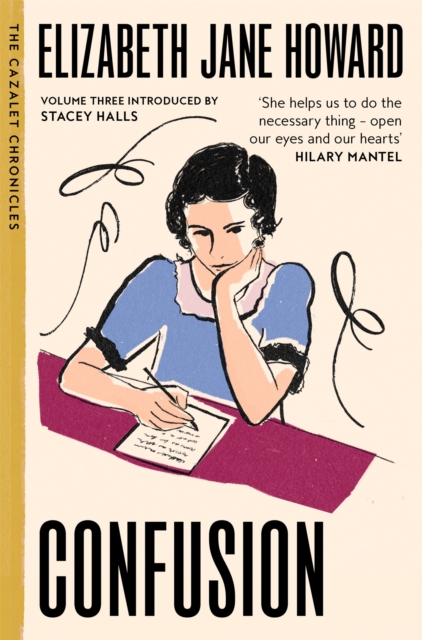
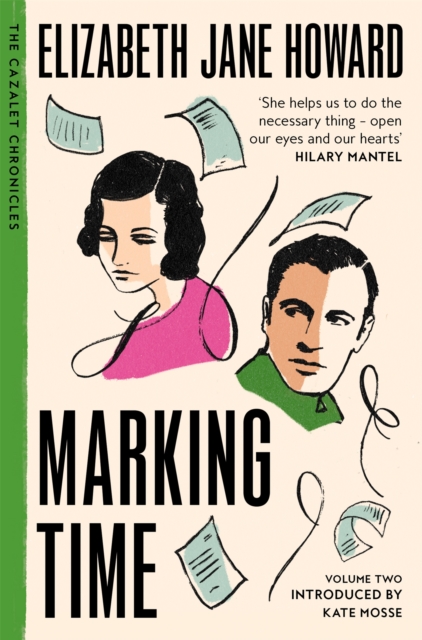
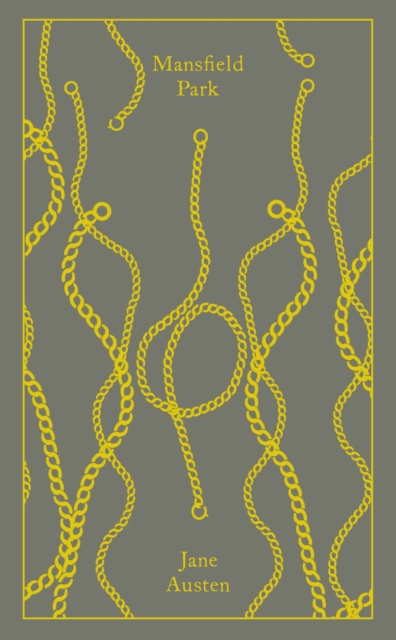
Marking Time opens in 1939, with much of the family staying in the country but some on the frontline. I have just finished the third in the five-part series, Confusion, which brings us to 1945. I will not give away more because the plot and pacing are perfect and once you have opened The Light Years, you will not want anyone to interfere with your communion with Elizabeth Jane Howard. All I shall say is that there is a moment in Confusion when a terribly lonely Louise finds a second-hand copy of Mansfield Park. Howard writes, ‘It was like meeting an old friend unexpectedly and she could not resist buying it. After that, she bought all the others, in spite of the fact that she had a whole set at home in Sussex. They engrossed and comforted her more than anything else and she read them all twice.’
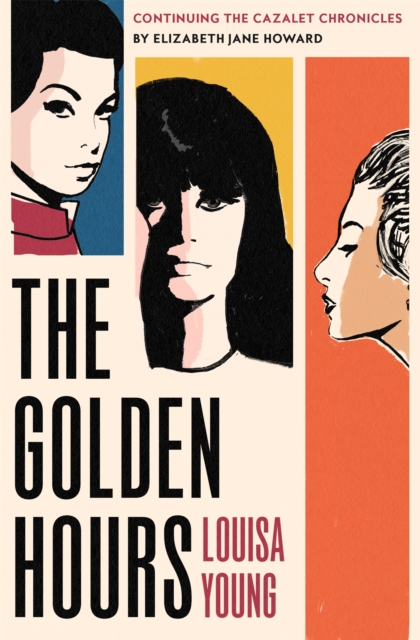
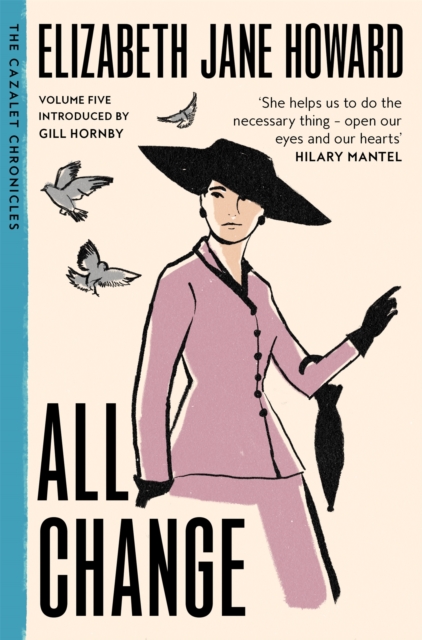
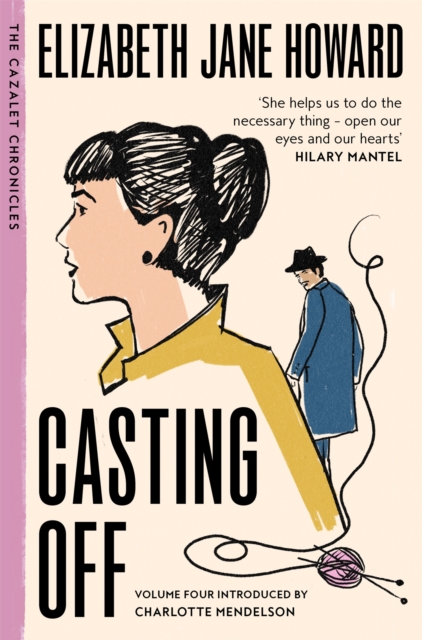
Elizabeth Jane Howard herself once pressed a copy of Pride and Prejudice into the hands of her stepson, Martin Amis, and this, he says, made him want to become a writer. I suspect The Cazalet Chronicles engender for many that same feeling as Austen’s work of comfort and comprehension and a flicker of, ‘oh, could I attempt this too?’ They are a huge feat. I cannot wait to read the next two, Casting Off and All Change. I know I will be bereft at the end but that then, like Louise, I can read them all twice. (At the moment I don’t think I will read the continuation of the Chronicles by her niece, Louisa Young, The Golden Hours. But I am intrigued to know if any of you have.)
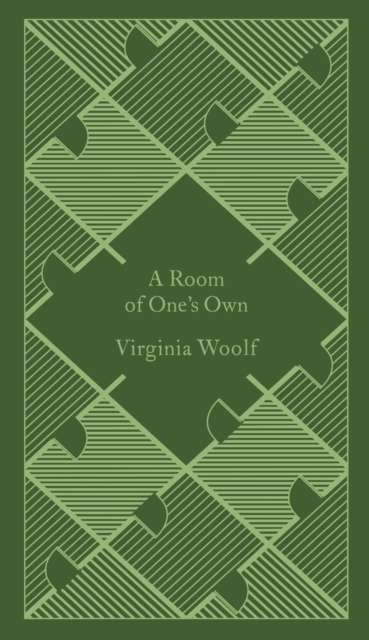
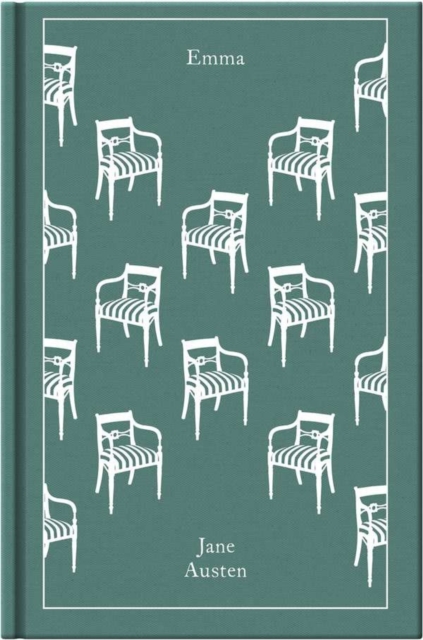
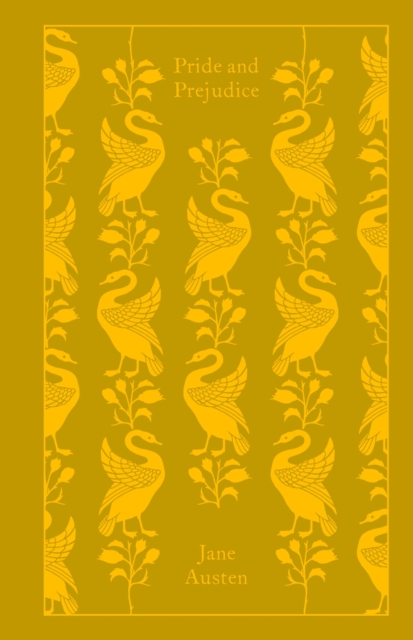
Alongside Jane Clarke and Elizabeth Jane Howard, I have on my mind many Janes, fictional and not, from the always good-natured and much-admired Jane Bennet of Pride and Prejudice to the accomplished Jane Fairfax, a mirror to the intelligent but less diligent heroine of Emma, to Austen herself, listening out for the creak of a hinge so that she can hide her writing whenever someone interrupts her, which, as Virginia Woolf elucidates in A Room of One’s Own, was with infuriating frequency.
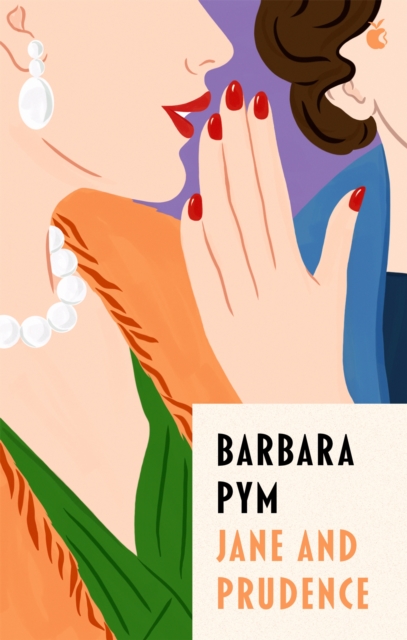
Always on the brain is a favourite Jane, she of Barbara Pym’s Jane and Prudence, who imagines herself something of an Emma Woodhouse in trying to find a match for her friend, Prudence. She is always just about to do a million things from finishing the book she is reading to digging out her own academic research to something useful in the garden to bottling plums to finding presents for the confirmation candidates or attending the Parochial Church Council, if only all the other things she is about to do wouldn’t get in the way. She is funny and well-meaning and shocks a member of their village by hardly caring that a portion of her slip shows beneath her skirt.
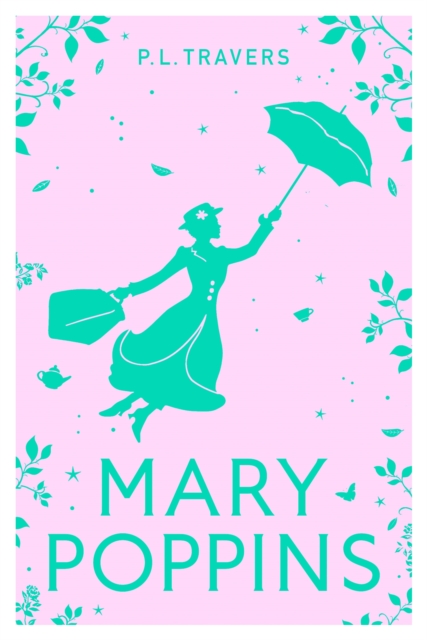
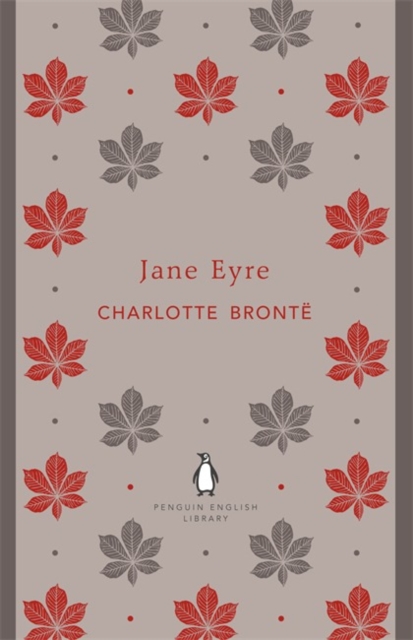
I have been thinking about Jane Eyre and that huge moment in literature when readers were taken into the first person to watch the eponymous heroine grow and triumph and about Jane Banks who is permanently a child wondering if each adventure with Mary Poppins has really happened since the stern, not-remotely-Disney nanny will not allow that they have just spent an afternoon having birthday tea on the ceiling.
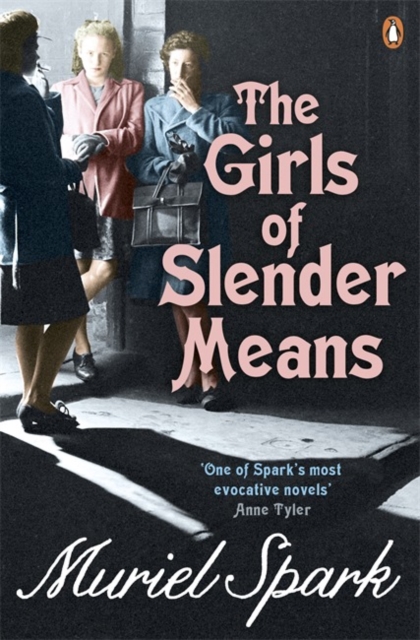
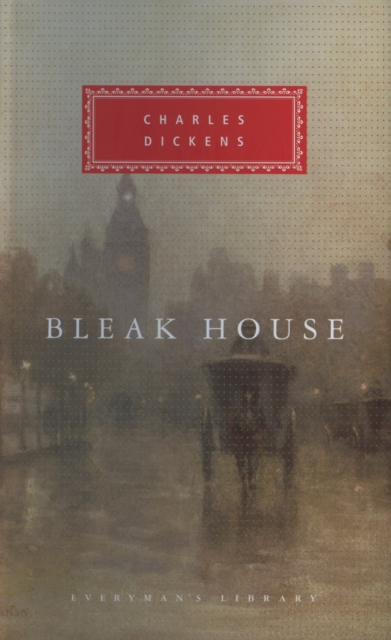
There is the ‘intellectually glamorous’ Jane Wright in Muriel Spark’s The Girls of Slender Means who unknowingly comes to stand for so much about the women with whom she lived in London in 1945, the time and its changes. There is the fierce Lady Jane of Dickens’ Bleak House, whom one absolutely must not cross. (She is, by the way, a large grey cat.)
And then there is Jane Harrison, the classicist and essentially the first woman to become an academic who arrives, ghostlike and a little scruffy, in A Room of One’s Own to pave the way for many to come. Push open the door into the garden though you do not have permission and there, ‘formidable yet humble, with her great forehead and her shabby dress—could it be the famous scholar, could it be J— H— herself?’
About me collect a… Calamity of Janes? It sounds good but isn’t quite right. A Comfort of Janes, I think.
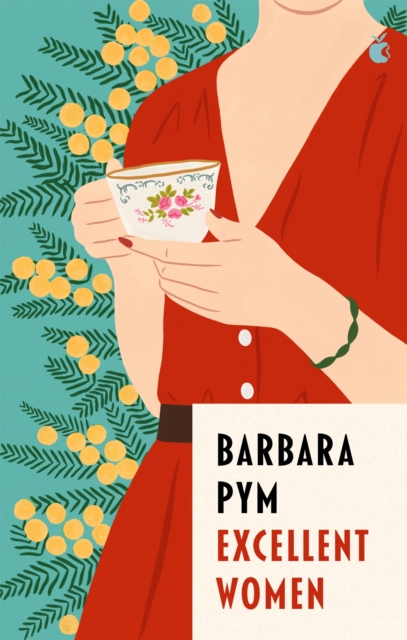
Please indulge me as I wish a very happy birthday to my mummy, Jane. May the many celebrations to come entirely lack prudence. Thank you for everything, especially the excuse to spend time with so many Excellent Janes.*
Lizzie
*Cf. Excellent Women.
Featured in the newsletter
-

The Golden Hours
£20.00 -

All Change
£10.99 -
Casting Off
£10.99 -
Confusion
£10.99 -
Marking Time
£10.99 -

Coracle
£12.99 -
The Light Years
£10.99 -

Mansfield Park
£20.00 -

A Room of One’s Own
£14.99 -
The Girls Of Slender Means
£10.99 -

Jane And Prudence
£10.99 -

Mary Poppins
£7.99 -

Emma
£20.00 -

Pride and Prejudice
£18.99 -
Jane Eyre
£8.99 -
Excellent Women
£10.99 -

Bleak House
£18.99