Definite Articles* – 16 October 2026
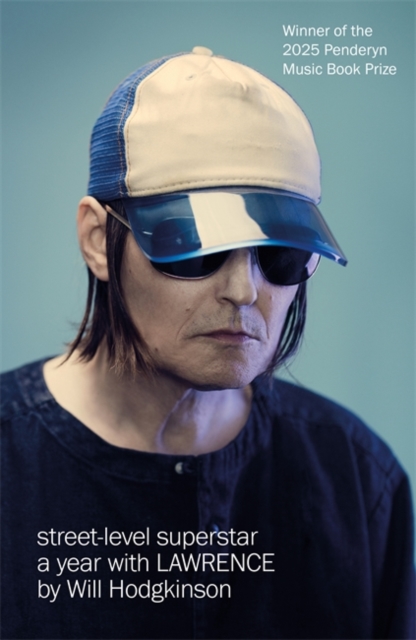
In a year spent with Lawrence formerly of the band Felt, later of Denim, currently of Mozart Estate (née Go-Kart Mozart), Will Hodgkinson is offered a lot of ideas about the book he is writing by that book’s subject. The ideas are rules. The rules are non-negotiable. No talking to other members of Felt. No use of the word ‘just.’ (‘Why not?’ ‘I just don’t like it.’). No anecdotes. Possibly the writer will need to break some of these.
Daily life for Lawrence, the sixty-something-year-old musician for decades on the cusp of achieving astonishing fame is full of such strictures – about music of course but also fashion, food, hygiene and technology. Lawrence is afraid of cheese, must never be pictured without a hat and dresses in Lidl-branded jumpers, somehow looking so distasteful, even when paired with a Burberry coat, that he is followed round shops by security guards and cafes seat him outside and refuse to let him use the bathroom. He has removed the door from his own bathroom to prevent guests from using it (not foolproof) and will accept a cup of tea from no one except the staff at Costa who follow merciless instructions to pour away half the water to allow enough space for milk. He carries a spare tea bag in his 1970s multi-use WH Smith bag in case they haven’t brewed it enough first. That bag goes everywhere with him. He has never owned or used a suitcase. For some reason this has been a cause of mirth at airports.
The creation of music leading to fame, stardom, celebrity, the ability to buy a house at each of the four compass points in London, keep a vacuum in each, walk for hours between them and some kind of relationship with Kate Moss (one in which she will never be allowed to stay over, use the bathroom or make tea) are a dream relentlessly pursued. A dream he will not compromise. And a dream that it is not clear he really wants. He worries that his hundreds of thousands of fans might find out where he got his favourite baseball cap and copy him. He is reluctant to play Glastonbury unless someone can provide him with an immaculately clean cottage to stay in. He fires a talented drummer for having curly hair and won’t let the bass player use the A string.
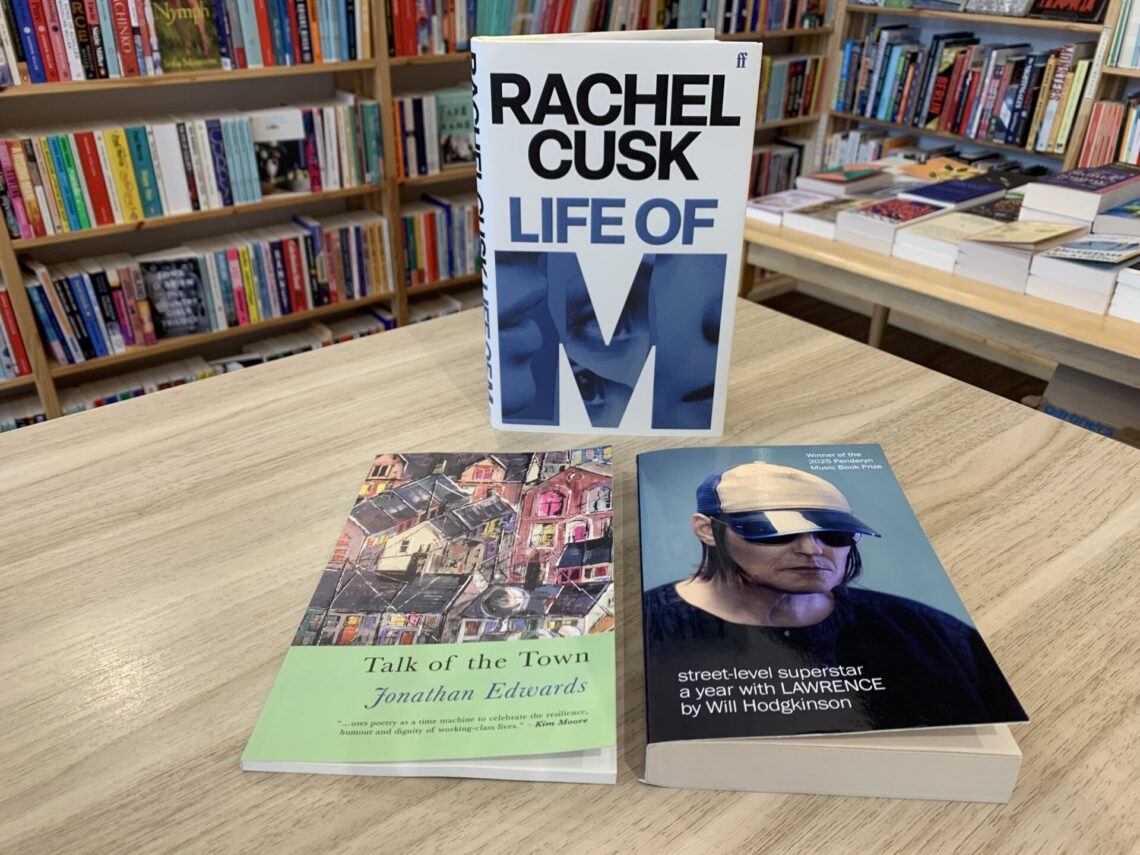
Somewhere between digressions on liquorice and major anxieties about being without his sunglasses, Lawrence has written several almost hits. Hodgkinson pulls out these stories and gets the closest anyone can to the reality of the man behind those sunglasses in his brilliant book, street-level superstar. Presumably he experienced moments of despair while doing so, thanks to Lawrence’s whims and disappearances. Yet reading the result is not maddening but joyful. Lawrence just won’t adjust to the world. He is completely himself even if that self has been made up by him in pursuit of an end that he could not enjoy: he’s good with failure.
Disarmingly, an exploration of fame grows to be about friendship. Hodgkinson and Lawrence have walked together for hours, the former pursuing understanding of the latter and gaining all the admiration, pleasure, exasperation and, yes, anecdotes of a great friendship. At the unveiling of a massive marble sculpture of Lawrence’s head by the artist Corin Johnson (you will have to read the book) Hodgkinson watches the vast stream of friends, not fans, who have come to celebrate with the figure clad in a Gap Kids balaclava and Vivienne Westwood tie, still alive despite his diet of milky water and sweets and quietly having become a star.** The book is so enjoyable, whatever you know of Lawrence’s work beforehand. I hope that after reading you will find yourself playing ‘Summer Smash’ at top volume. No dancing. Kidding: rules, broken, made to be etc…
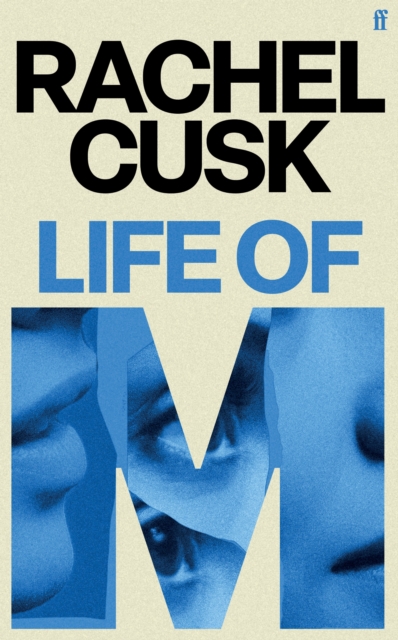
I read street-level superstar after Life of M by Rachel Cusk, another book about celebrity, anonymity, control of the (presentation of the) self and the violence of getting through everyday life. Ignore all the noise around this novel: the chatter about the identity of M misses the point.
The narrator asks M if they can write M’s biography. M agrees on the grounds that they make it up. The narrator/writer watches M’s films, does no further research and creates the character of M, a major film star, separated from reality since she was a child and playing the role of herself. M is a shifting and complex person trying to learn how to be, who should not be reduced by my summary but is perfectly so in Cusk’s sparing, unalloyed sentences.
Many customers declare that they love a novel where there is no plot. Fewer declare that they love one where there is no character. But it is fascinating. I have read it three times. If anyone is interested in deep consideration of what the novel can do, in new forms, in creativity and its links to childhood, in freedom, especially for women, in insignificance and not being seen, in power and the veneer of perfection, in the impossibility of understanding truly what it is like to be a person other than oneself, Cusk is. I find the result enthralling.
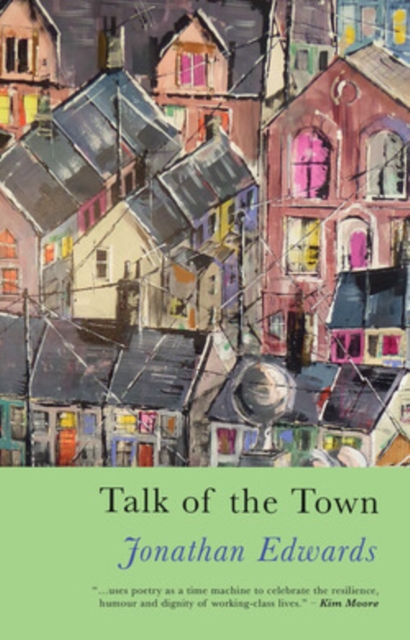
What is the role of a biographer or a narrator? How present should they be in the story, whether fiction or fact? And what does that distinction signify? Having pure fun with these questions is Jonathan Edwards in his new poetry collection, Talk of the Town. Here are the loveable members of Edwards’ family in all their normality, his mother nervous but brilliant before a crowd at a fundraiser, his grandfather dressing up at the end of a working week and dancing with abandon in the carpeted front room, his father sitting his driving test in a mobile shop with boxes of eggs in grave danger from an emergency stop. Here too are his family, still totally normal, as an Olympic bobsleigh team, forming a flashmob and hosting a Beatles gig on the roof of their house.
The poems are imaginative (Kurt Cobain waits for a fax from Courtney Love), fanciful (Scorsese films the 1839 Chartist Rising), loving (two dogs meet in a coffee shop) and funny (Edwards goes to see the bears at Bristol’s Wild Place Project and does not see any bears). Every now and then Edwards or a character he is playing or the narrator he has created pops into a poem and decides to give another reality, the achievement of a dream however small, to the people he writes about.
He read the bear poem at a performance in the shop a few years ago and, if all of these books are about trying to reach other people whether through Art or cups of tea, here was a moment of connection which I still think about. To have it on the page now, with those memories, is marvellous.
May your weekend be the talk of the town,
Lizzie
*I may have spent too long thinking about how the street-level superstar, The Life of M and The Talk of the Town would be different books and what that means about the mythology of the self. It must be exhausting being Rachel Cusk.
** Of sorts.***
*** Allsorts? (Sadly, missing from the crowd is the hero who found Lawrence the last packet of Drop Fruit Duo liquorice not lost in the Malaccan straits but again you have to read the book for this one.)